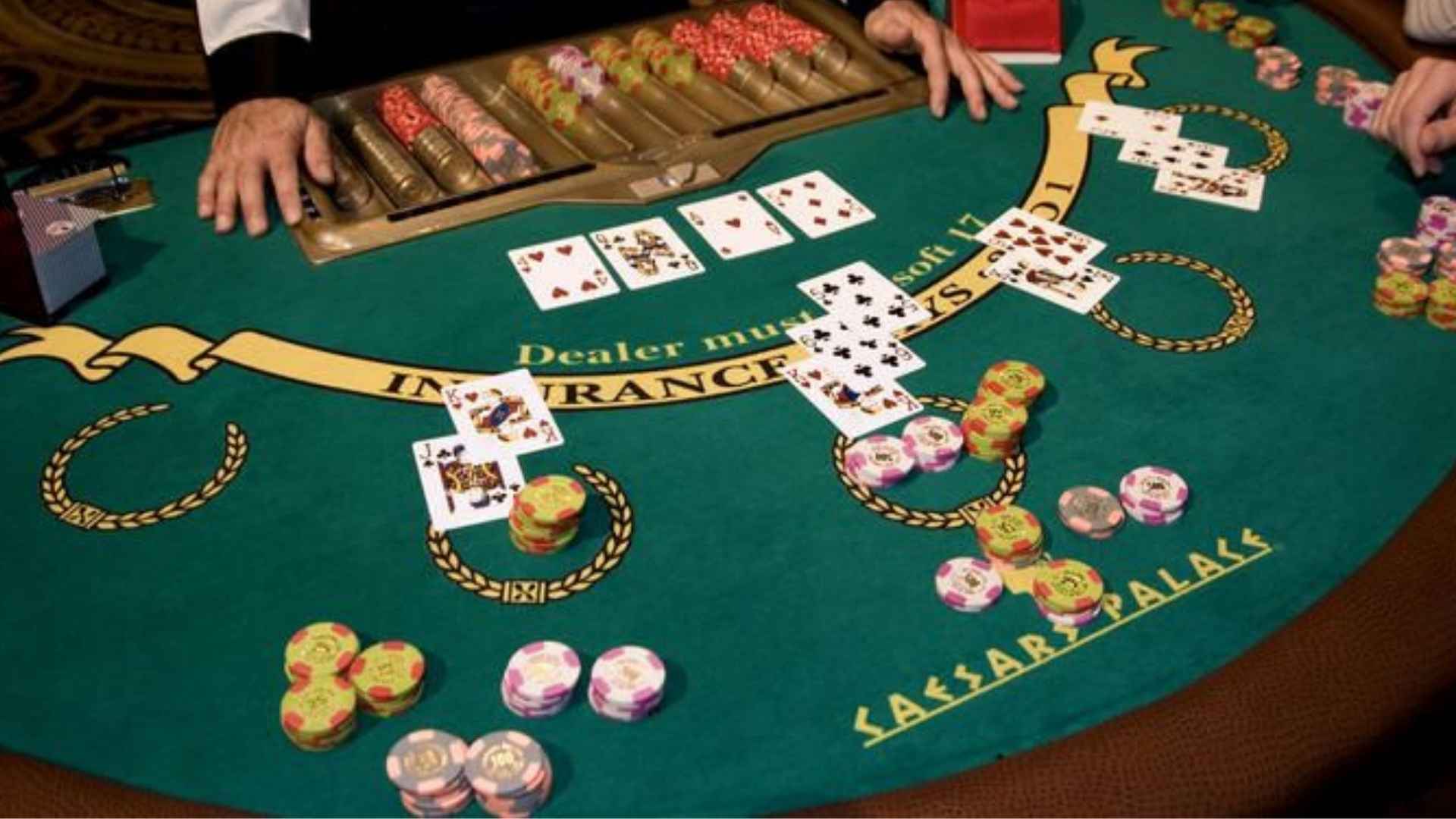
The design and structural layout of a gaming table play a defining role in shaping the operational speed of any live casino session. While many enthusiasts focus entirely on card values or basic wagering strategies, the physical or digital rules governing dealer actions directly dictate how quickly rounds are resolved. Understanding these underlying operational frameworks reveals how modern gaming venues balance active entertainment with steady financial efficiency.
The Direct Impact of Shuffling and Dealing Protocols
Manual card management traditions naturally establish a more deliberate and social rhythm around a physical tabletop layout. When a specialized live croupier is tasked with collecting, shuffling, and distributing cards manually, the entire process invites steady observation from the participants. This traditional operational flow allows players ample time to process information and manage their cognitive load between intense betting rounds.
Conversely, the introduction of continuous shuffling machinery or automated digital interfaces completely eliminates these natural operational pauses. By streamlining the physical transitions, contemporary gaming platforms can dramatically increase the total volume of hands completed within an hour. This shift in operational velocity fundamentally alters the psychological environment, turning a relaxed pastime into a high-speed strategic test.
How Decision Windows Shape Player Behavior
The allocation of physical table responsibilities and decision countdowns serves as another critical mechanism influencing live session momentum. Traditional card rooms often permitted open-ended deliberations, relying on social etiquette to maintain a reasonable pace during complex rounds. Modern establishments, however, frequently implement strict time constraints to guarantee that the table maintains a predictable transaction velocity.
When individuals are forced to make tactical choices under a visible countdown, their reliance on analytical pattern tracking typically decreases. This faster environment encourages intuitive participation and rapid assessments, which significantly changes how risk is managed live. Beginners looking to understand how modern platforms balance user choices with structural speed can explore a comprehensive m88 review for insights into contemporary software engineering. These digital systems are carefully calibrated to maintain an engaging tempo without making participants feel overly rushed.
The Structural Balance Between Community and Automation
Ultimately, the exact balance between manual player participation and automated dealer customs determines the overall atmosphere of a gaming space. Multi-player formats that feature shared financial banking responsibilities or rotating operational duties inherently require a slower, more collaborative pace. These historic structures prioritize human connection and shared accountability over raw transaction speed, preserving a classic form of casino culture.
As digital networks continue to expand globally, developers are constantly refining software mechanics to replicate this traditional structural depth. Automated systems now manage complex card calculations and commission tracking instantly, allowing live hosts to focus on community interaction. By understanding how table rules influence the temporal flow of a round, players can better select environments that match their preferred strategic speed.