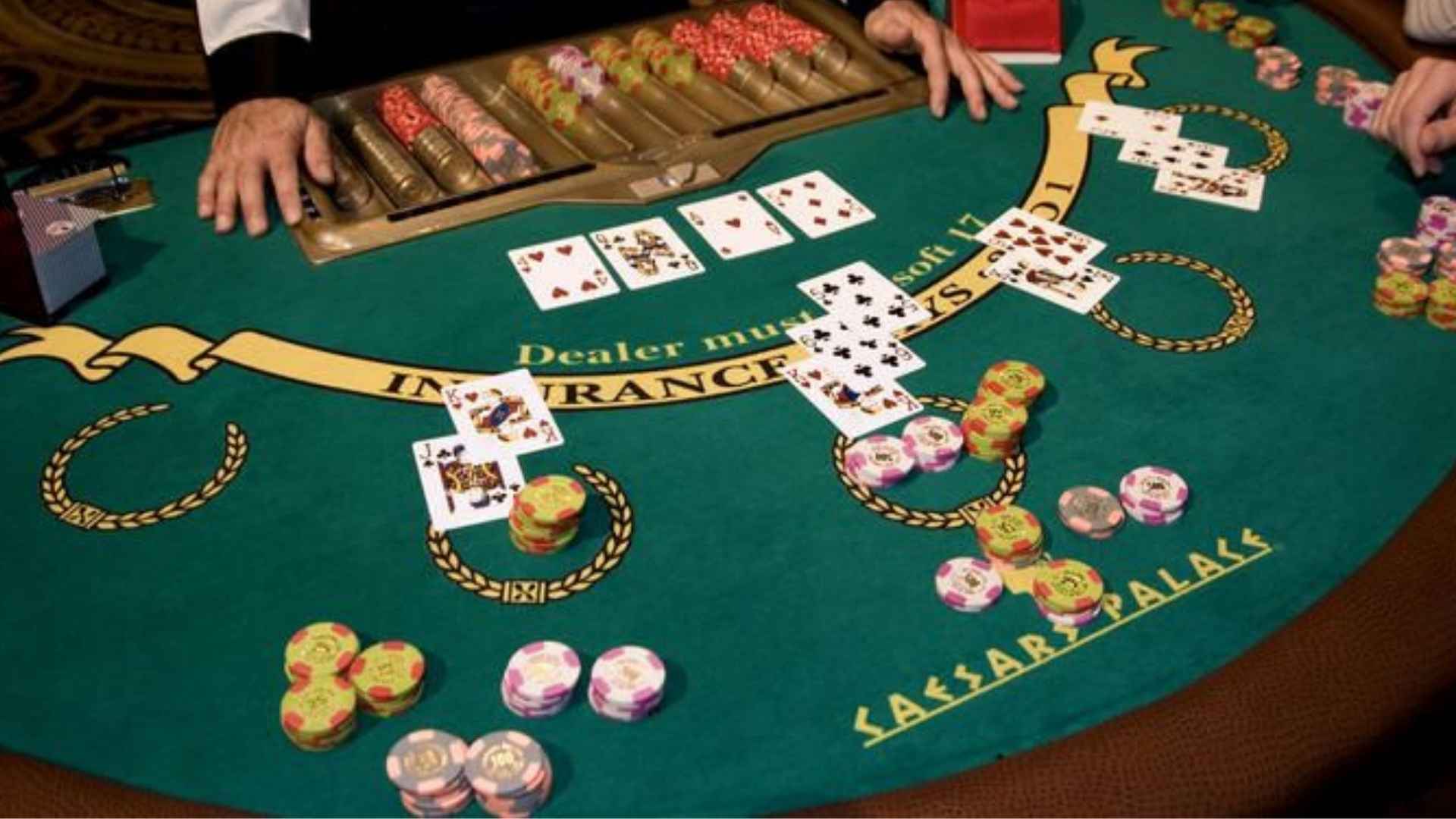
Modern digital platforms are moving away from fixed reward schedules to embrace dynamic incentives that react to user behavior in real time. Rather than relying on repetitive milestones, forward-thinking system architects use adaptive algorithms to deliver unexpected benefits. This evolution transforms routine interactions into memorable journeys by keeping participants continuously curious about what comes next.
The Psychology of Unpredictable Value
Human motivation responds strongly when an outcome is not entirely predictable. When a system provides a bonus at variable intervals, the brain experiences a heightened sense of anticipation and engagement. This dynamic keeps long-term participation active far more effectively than rigid, static payout models.
However, successful variable systems must offer genuine value to remain effective over time. Arbitrary randomness can lead to fatigue if users feel their effort yields arbitrary results. Designing rewards that match user actions ensures that every surprise feels earned rather than completely random.
Crafting Personalization Through Adaptive Mechanics
Dynamic reward structures rely on real-time data to adjust incentives based on individual progression paths. By tailoring bonuses to specific milestones or playstyles, systems can offer meaningful items or perks when they matter most. This targeted approach prevents reward saturation and maintains a balanced environment for all participants.
For instance, promotional platforms often customize special offers to align with player preferences and active campaigns. Users exploring online entertainment options frequently seek specific promotional codes, such as m88 红利代码, to unlock tailored bonuses that elevate their experience. Integrating these opportunities seamlessly allows systems to deliver clear utility alongside the excitement of discovery.
Balancing Surprise with System Equity
Building trust requires establishing clear underlying rules even within an unpredictable reward framework. When users understand the general mechanisms governing achievements, surprise outcomes enhance satisfaction without causing confusion. Transparent mechanics ensure that chance features complement core progression rather than replacing it entirely.
Developers achieve this equilibrium by setting baseline progress guarantees alongside variable drop rates. This dual structure protects dedicated participants from extended periods of bad luck while preserving the thrill of rare achievements. Over time, maintaining this balance fosters long-term retention and positive user sentiment.
The Future of Interactive Experience Design
As machine learning and behavioral analytics continue to advance, dynamic systems will become even more responsive to user intent. Future platforms will likely adjust reward timing and format automatically, creating fluid environments tailored to unique engagement patterns. This continuous refinement represents the next frontier in interactive design.
Ultimately, designing meaningful surprises is an art form that merges psychological insight with technological precision. By focusing on relevance, fairness, and thoughtful presentation, modern digital experiences can turn standard tasks into deeply satisfying adventures.